Share this Page:
VHL disease is a hereditary disease that affects many organs of the body, such as the eyes, brain, spine, pancreas, kidneys and lymphatic system. It is caused by a mutation in the VHL gene, which produces HIF2α, and this can cause the growth of tumours.
Belzutifan is an inhibitor of HIF2α and has shown promising results in a phase II study in patients with VHL RCC (LITESPARK-004). There were 61 patients in the study with VHL-related tumours. Belzutifan was very well tolerated, with anaemia being the most common side effect, which was successfully treated. Only one patient come off study for treatment-related mild dizziness.
This study established belzutifan as an active and well-tolerated treatment for all VHL-related tumours. Patients with VHL disease often undergo multiple surgeries over their lifetime to manage tumours and cysts, which can significantly affect quality of life.
On the basis of the results from this study, belzutifan was approved for the treatment of VHL disease in England, Wales and Scotland. Belzutifan is the first drug available for people with VHL disease and will revolutionise care for this patient population.
The results from the phase II study have recently been updated, and patients have been followed up for a little over 5 years (62 months): In summary:
- After five years of follow-up, belzutifan continues to demonstrate long lasting benefits with all VHL-related tumours.
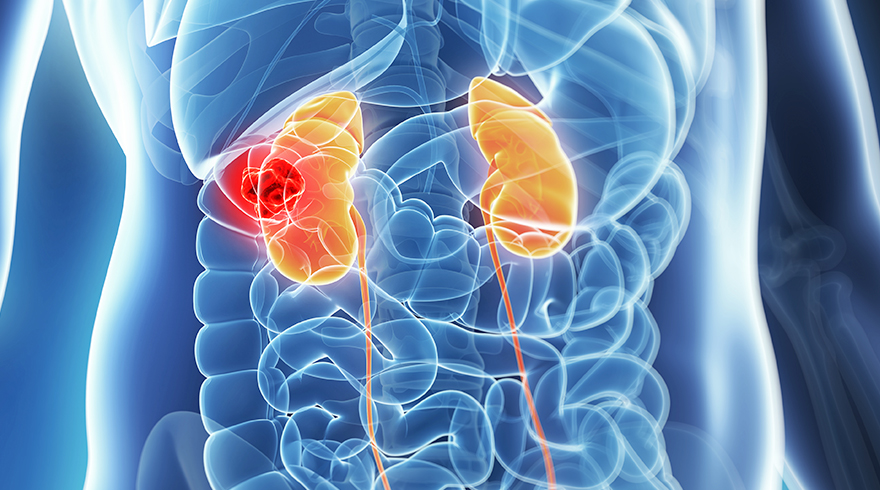
- Response to treatment with belzutifan was 70% in kidney cancer, 50% in brain tumours, and 90% in pancreatic tumours.
- Responses were long lasting, with most responders having no change in their cancer at 4 years.
- These long-term outcomes reinforce that belzutifan may delay or, in some cases, reduce the need for repeated surgeries in patients with VHL disease.
- No new side effects were reported during the 5-year follow-up.
- Belzutifan remains the only approved anti-cancer treatment for VHL-related kidney cancer, pancreatic tumours or brain tumours that do not need immediate surgery.