Share this Page:
Stereotactic ablative body radiotherapy (SABR) uses an intense beam of radiation focused on the tumour to destroy the cancer cells. The advantages of SABR, also known as stereotactic radiotherapy (SRT), is that it avoids general anaesthesia and, unlike radio-frequency ablation or cryoablation, can be used to treat large tumours. Also, it is not invasive, unlike ablation and surgery.
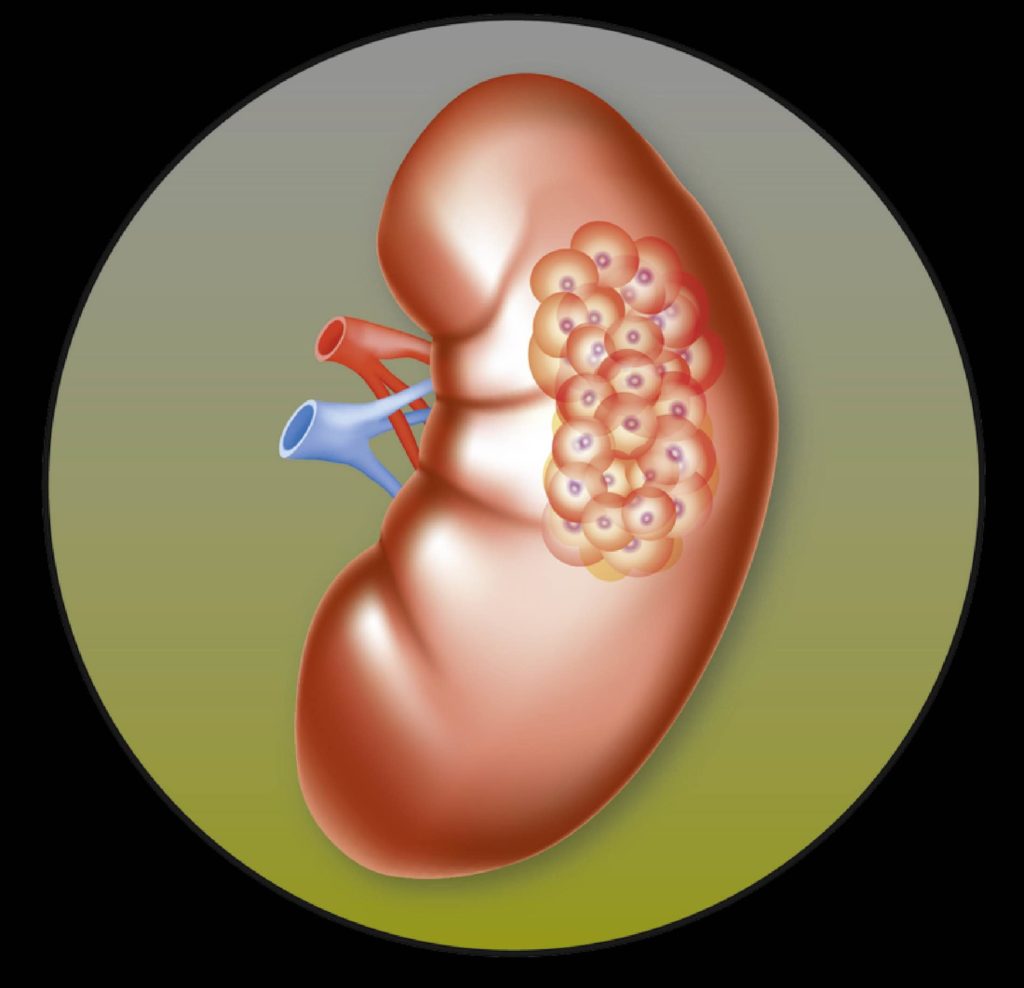
Kidney cancer has always been thought to be resistant to radiotherapy. However, a recent review of 38 clinical studies suggests SABR can be used to treat advanced kidney cancer.
14 studies reported on the use of SABR alone for locally advanced kidney cancer that had not spread (metastasised). 24 studies looked at using SABR with or without immunotherapy for the treatment of metastatic kidney cancer.
The rate of local control of the cancer with SABR ranged from 75% to 100%. Failure of SABR resulted from low radiation doses.
“For localised RCC [kidney cancer], SABR is emerging as a noninvasive alternative to surgery or ablation, particularly for patients who are unfit for invasive procedures,” said the researchers “In the metastatic setting, prospective data suggest that SABR provides excellent local control of metastatic sites and may meaningfully delay the initiation of systemic therapy.”
SABR is well tolerated and has excellent patient benefits, and may be an option for patients with a primary kidney cancer tumour for whom nephrectomy may not be possible.