Share this Page:
Researchers are looking for better ways to diagnose kidney cancer. Currently, diagnosis is made using scans, which cannot tell the difference between benign and cancerous tumours. For a more accurate diagnosis, a biopsy involving surgery may be needed. There is, therefore, an unmet need for an accurate test to diagnose kidney cancer to guide patient management.
Girentuximab is an antibody that attaches to an enzyme called carbonic anhydrase IX (CAIX). This enzyme is found in clear cell kidney cancer tumours. 89Zr-DFO-girentuximab (TLX250-CDx) is a product made from combining a weakly radioactive molecule called zirconium Zr 89 with girentuximab. When given to humans, 89Zr-DFO-girentuximab binds to carbonic anhydrase IX in kidney cancer tumours and can help to tell the difference between kidney cancer, normal tissue, and other tumours.
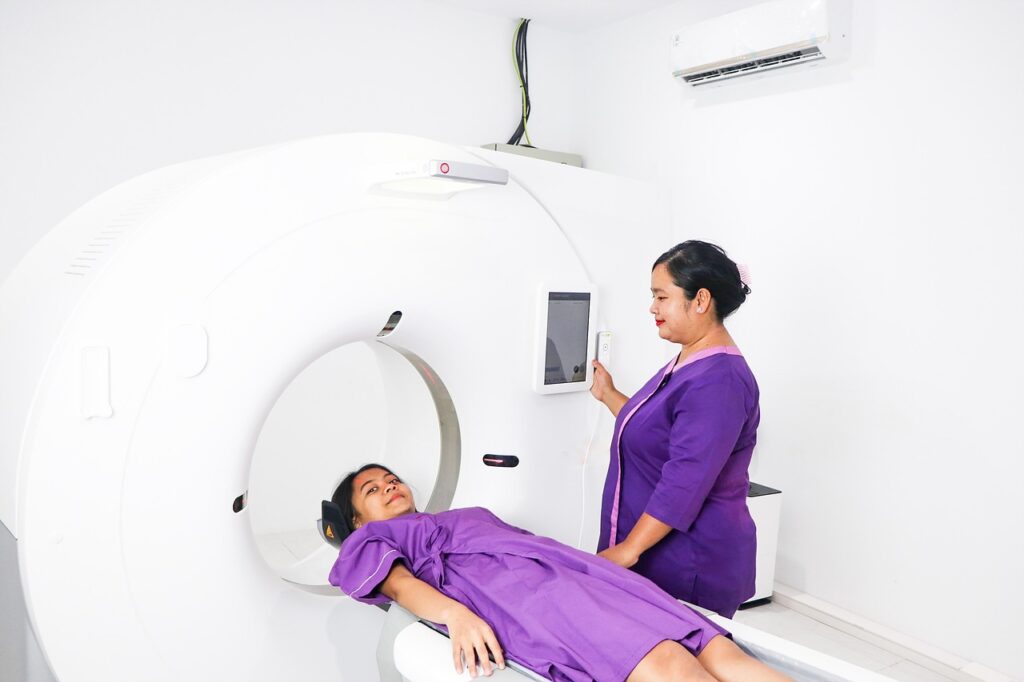
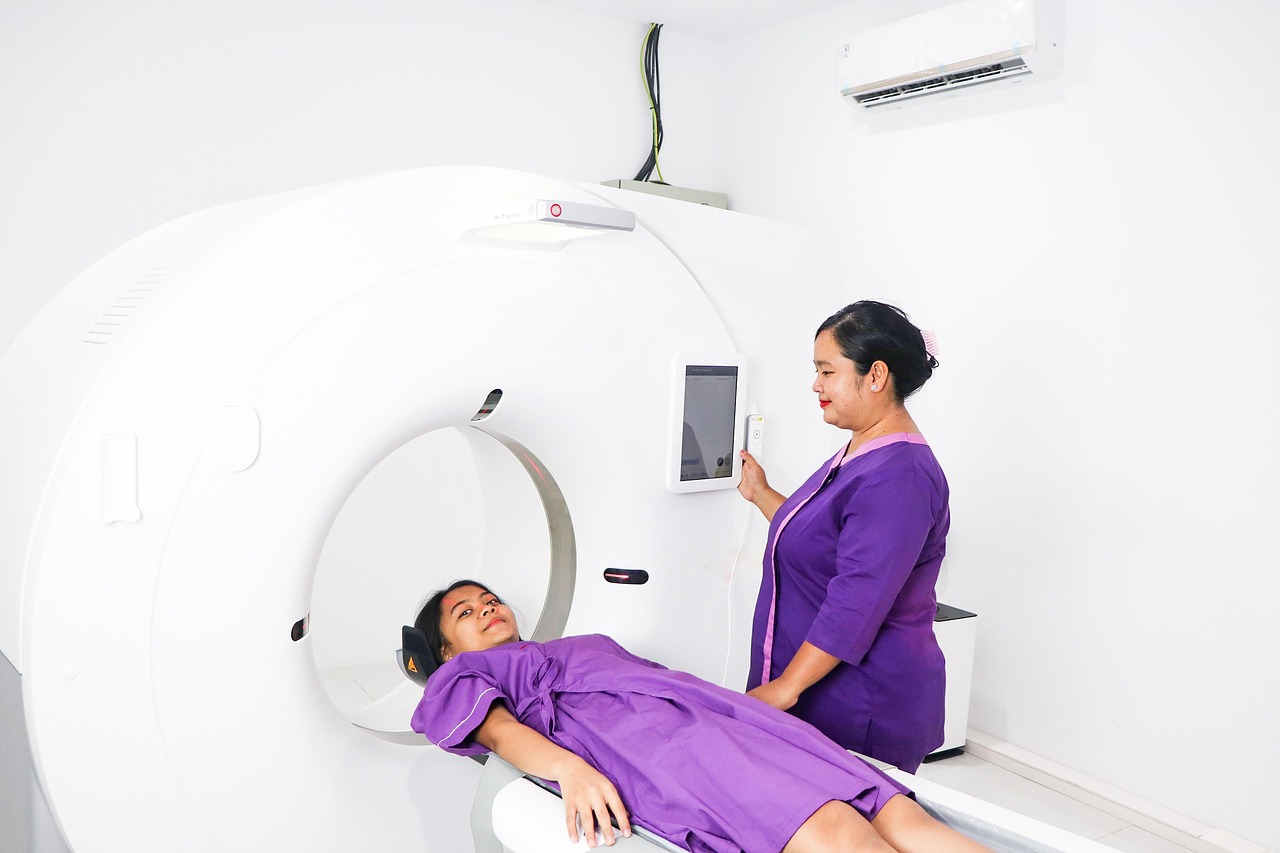
In the phase 3 ZIRCON trial, patients who were scheduled to have a partial nephrectomy within 90 days were given 89Zr-DFO-girentuximab 10 days before surgery and then had a PET/CT scan 5 days later. The scans were assessed independently to determine whether the patient had kidney cancer. Both the sensitivity and accuracy of the scans where assessed.
There were 300 patients in the study, two thirds of whom had clear cell kidney cancer. There were only two treatment-related side effects, both of which were considered to be of mild intensity. Overall, the trial reported high accuracy of TLX250-CDx in detecting and characterising clear cell kidney cancer in patients with kidney masses.
During the trial, there were major changes in clinical management for more than a third of patients due to 89Zr-girentuximab PET/CT imaging versus conventional imaging: such as a switch from biopsy to surgery, a switch from surgery to biopsy, partial nephrectomy to total nephrectomy, surgery to addition diagnostic tests and total nephrectomy to partial nephrectomy.
In conclusion:
- Nearly half of patients would have had a change in their clinical management plan based on 89Zr-girentuximab PET/CT imaging results.
- Over 1/3 of all patients would have had a major change in management.
- Over 20% of patients could have potentially avoided a biopsy.
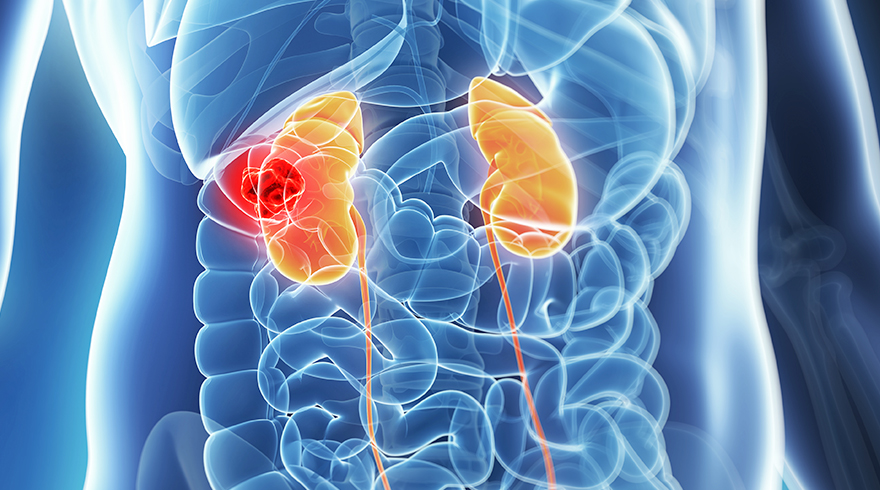
- 89Zr-girentuximab PET may provide clarity on the location of the kidney cancer tumour within the kidney.
This study confirms that 89Zr-DFO-girentuximab is well tolerated and can accurately identify kidney cancer from a PET/CT scan. This is promising for the management of kidney cancer patients.
Currently, TLX250-CDx is available through an expanded access programme in the United States, named patient programmes in Europe, and a special access scheme in Australia for patients outside of clinical trials for whom there is no comparable or satisfactory alternatives. If approved, TLX250-CDx would be the first targeted PET agent specifically for kidney cancer.